Why dialogue matters: the quiet work of helping communities live together
UNESCO research finds that societies which invest in intercultural dialogue are markedly more peaceful - a reminder of why community conversation is never just talk.
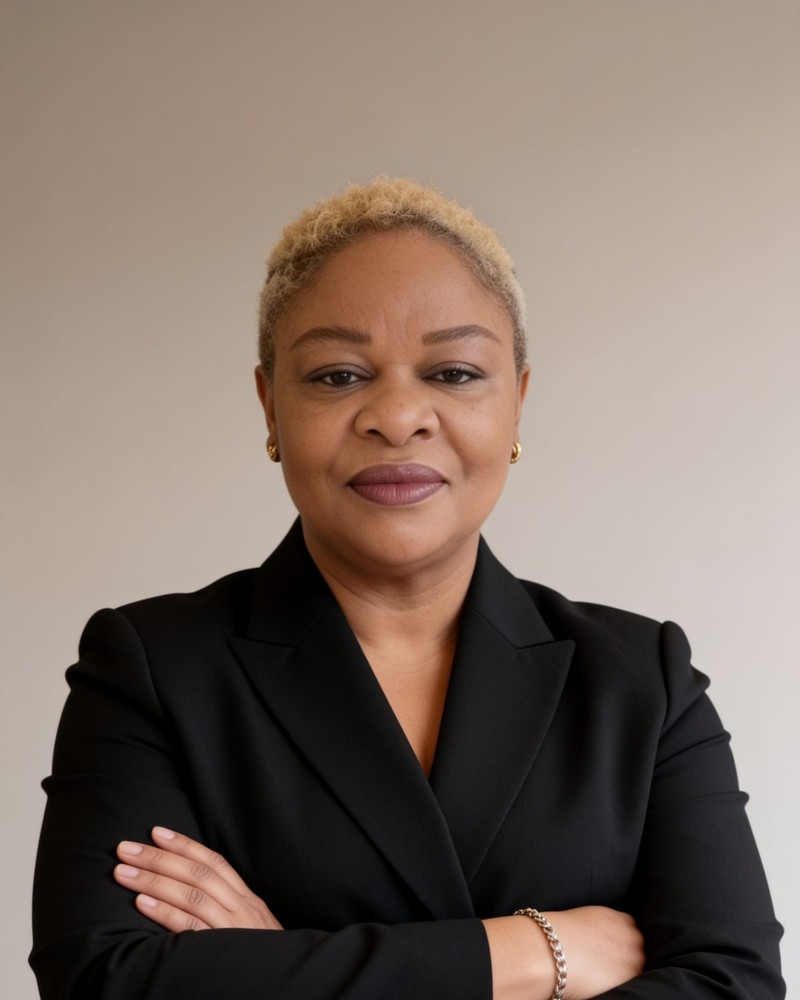

Learning to live together is rarely dramatic. It is built in classrooms, community halls and living rooms, through ordinary conversations that help neighbours understand one another across language, faith and background.
UNESCO's Framework for Enabling Intercultural Dialogue, with its companion report 'We Need to Talk', drew on data from more than 160 countries to argue that dialogue is measurable - and that it correlates strongly with peace, reduced fragility and stronger human-rights protection.
The framework sets out structural conditions such as freedom of expression, good governance, equality, social cohesion and non-violence, alongside the everyday skills and values that let people disagree without rupture.
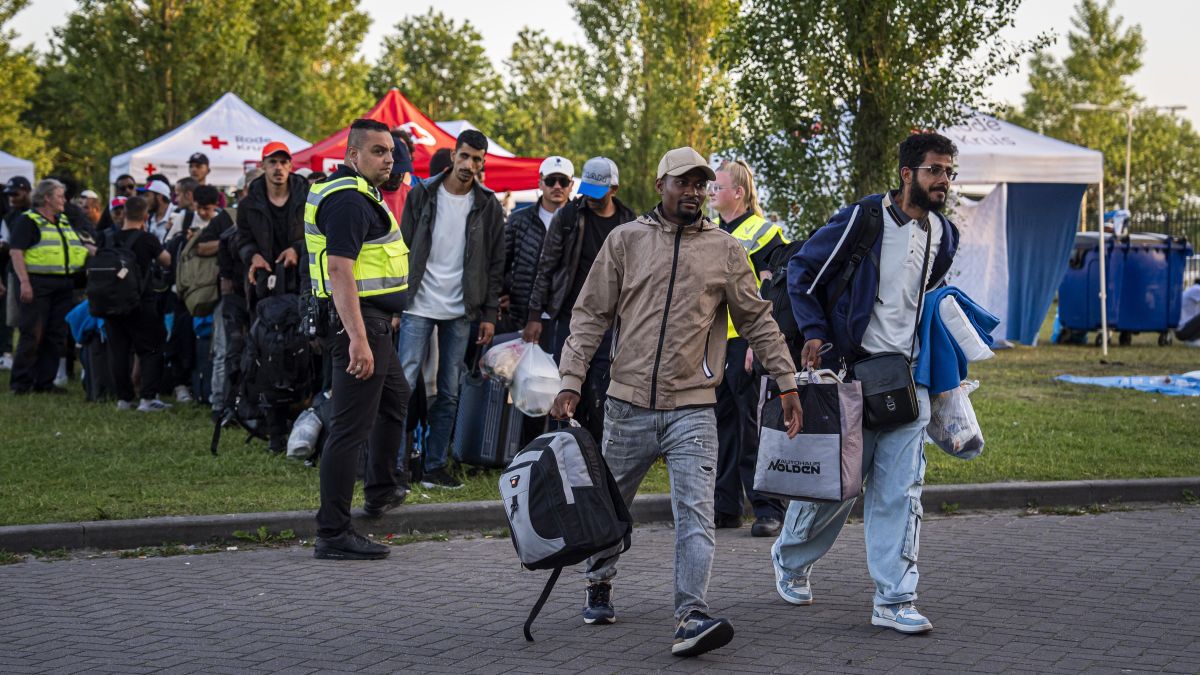
For diaspora communities, that work is daily life: navigating a new society while holding on to heritage, and explaining one to the other. DCTV exists in part to widen that conversation and give it a platform.
The lesson from the evidence is simple but demanding - cohesion is not the absence of difference, but the patient practice of living well with it.