Netherlands begins biggest asylum overhaul in 25 years as EU Migration Pact takes effect
The European Union's Pact on Migration and Asylum has come into force, ushering in the most far-reaching changes to Dutch asylum law in a generation with tighter residency rights, faster border procedures and shorter permits.

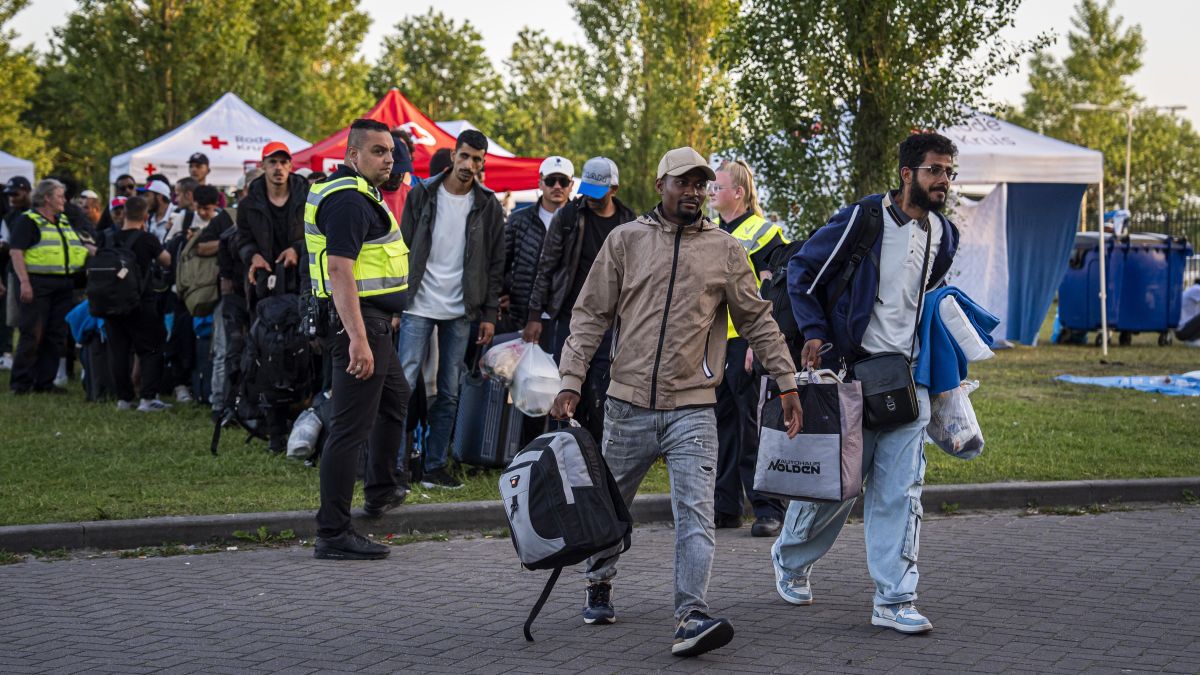
The European Union's Pact on Migration and Asylum entered into application across all member states on 12 June 2026, setting in motion the most significant rewrite of the bloc's asylum rulebook in over a decade. For the Netherlands, it coincides with sweeping national reforms that together amount to the biggest change to Dutch asylum law in 25 years.
Under the national measures, temporary asylum permits are being shortened from five years to three, and the indefinite (permanent) asylum residence permit is being phased out. Officials say the aim is to make protection more clearly temporary and tied to ongoing need.
At EU level, the Pact introduces mandatory screening of irregular arrivals - covering identity, security, health and vulnerability - and a faster border procedure for applicants from countries with low recognition rates or those deemed a security concern.
The Dutch immigration service (IND) says the new framework also streamlines parts of the process, asking applicants to supply more information digitally and earlier in their case.
Rights groups warn that shorter permits and expanded border procedures could increase uncertainty for vulnerable people, while the government argues the changes bring the Netherlands in line with a common European system. DCTV will keep following what the reforms mean for diaspora families on the ground.