Doing business with China: how diaspora entrepreneurs are turning trade links into opportunity
From the Canton Fair to container ports, diaspora traders and investors are building two-way business links with China - and reshaping community wealth back home.

Stanley Ikechukwu Nwabueze
Diaspora Business Desk, China
Tap the author to see all their stories.
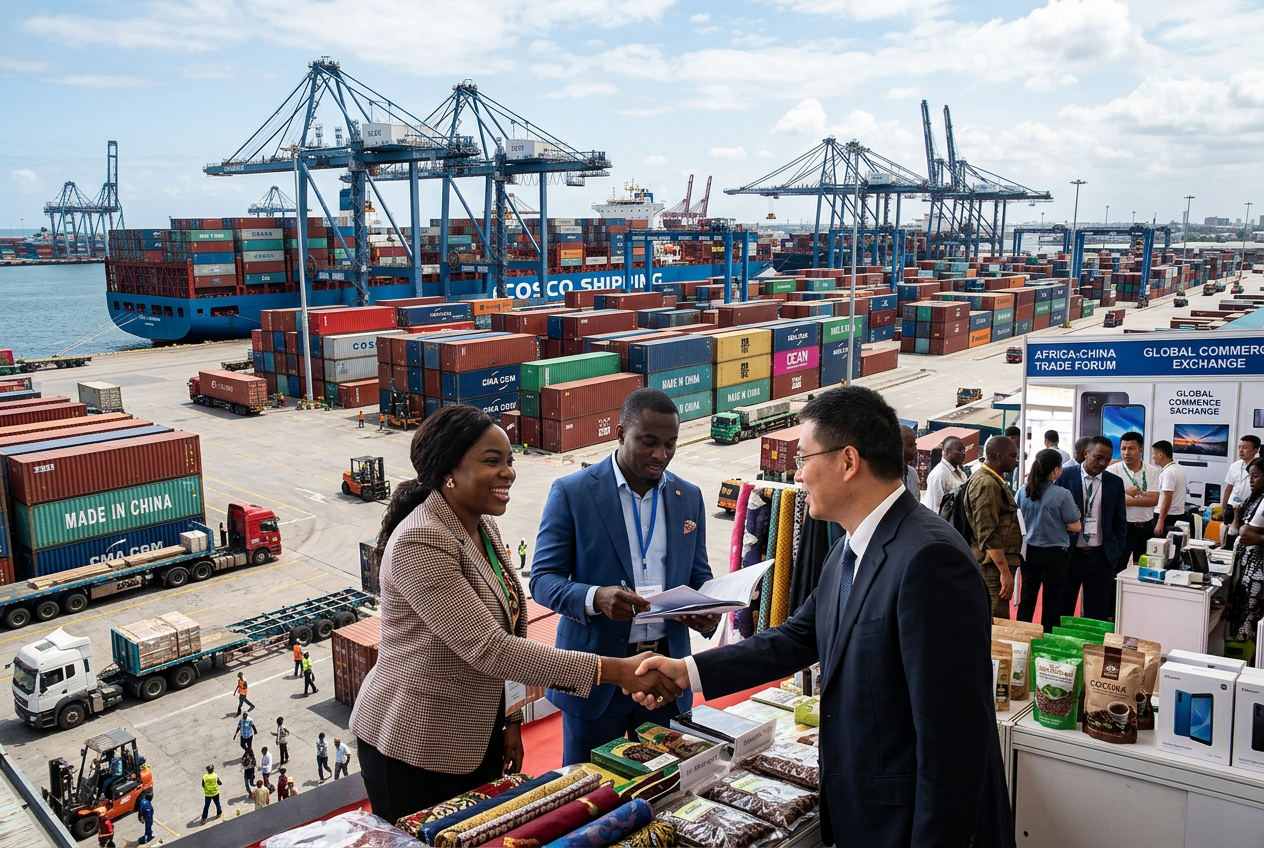
For a growing number of diaspora entrepreneurs, China has become more than a place to buy from - it is a partner to build with. Sourcing, manufacturing, joint ventures and investment are turning long-standing trade ties into lasting business relationships that stretch from Guangzhou to The Hague, Lagos and beyond.
China has been Africa’s largest trading partner for more than a decade, and two-way trade now runs into the hundreds of billions of dollars each year. For diaspora business owners living in Europe, that scale translates into something very practical: access to manufacturers, competitive pricing and product ranges that would be hard to match anywhere else.
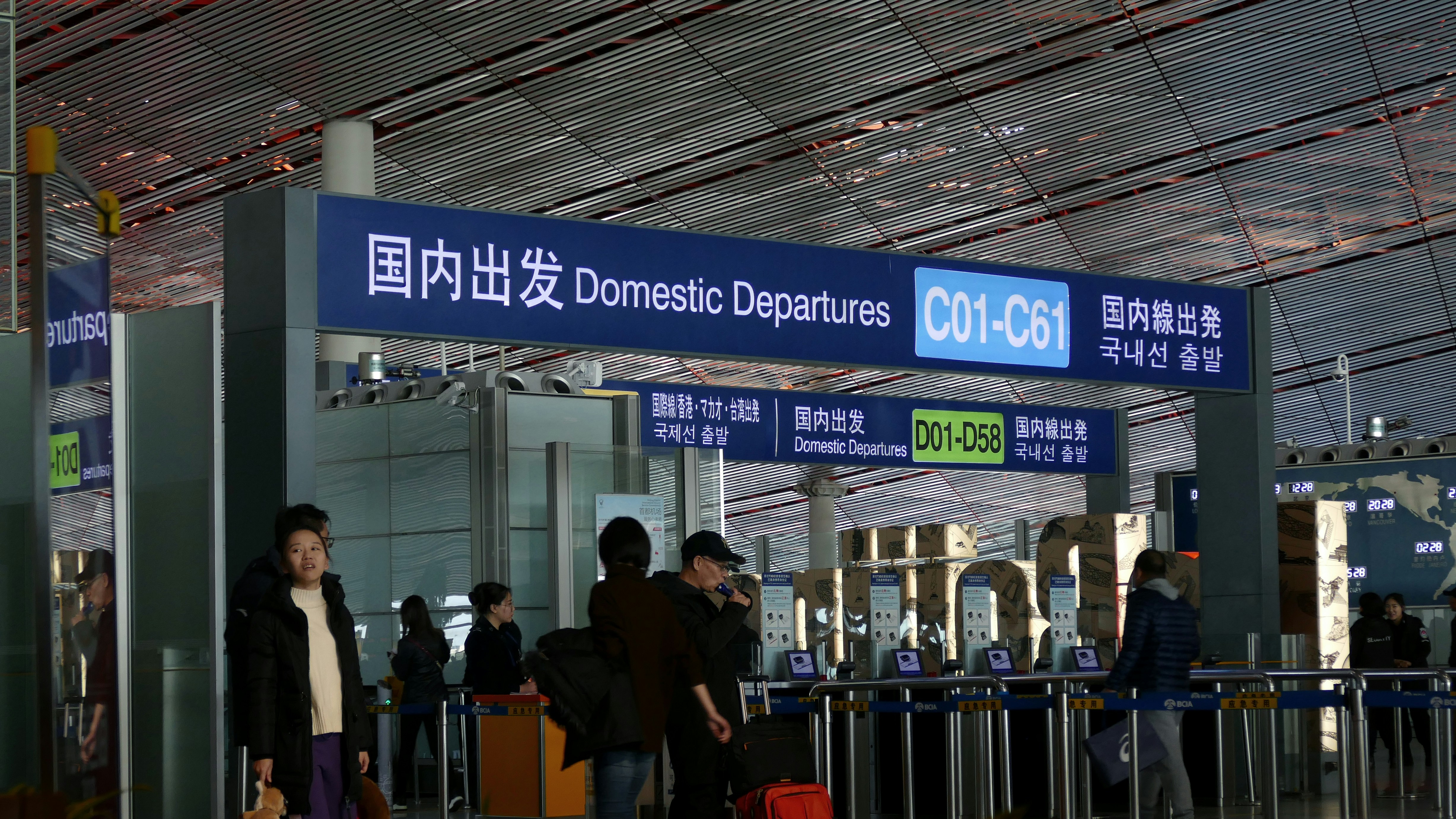
Twice a year, the Canton Fair in Guangzhou draws buyers from across Africa, Europe and the global diaspora. For many first-time traders it is the entry point: meeting manufacturers face to face, comparing suppliers, and negotiating the terms that make a small import business viable. Walking the halls - electronics in one phase, household goods in another, textiles and food in the next - is still one of the fastest ways to understand what is possible.
Beyond one-off purchases, diaspora businesspeople are increasingly setting up structured supply chains - agreeing quality standards, sample approvals and shipping arrangements so that goods arrive reliably and at predictable cost. Seasoned traders stress the same lesson: order samples first, document everything, and treat the first small shipment as a test of the relationship rather than the deal itself.
Getting paid and getting goods moved are where many ventures stumble. Currency swings, payment security and choosing between sea and air freight all affect the final landed cost. Experienced importers spread their risk - using trusted payment methods, agreeing clear Incoterms, and budgeting for duties and clearance long before the container leaves port.
Regulation matters just as much as price. Products often need to meet safety and labelling standards both in China and in the destination market, and customs rules back home can change with little notice. Verifying that a supplier is a genuine, registered manufacturer - not just a trading middleman - is one of the most important checks a new importer can make.
The bigger picture is shifting too. The African Continental Free Trade Area (AfCFTA) is gradually lowering barriers between African markets, making it easier for diaspora-owned businesses to import once and distribute across borders. Combined with China’s manufacturing depth, that opens room for ventures that simply were not practical a few years ago.
Crucially, the opportunity runs both ways. As trade deepens, there is rising interest in two-way flows: not only importing from China, but presenting diaspora products, services and investment opportunities - from agribusiness to creative industries - to Chinese partners and buyers. The most ambitious entrepreneurs are starting to think of themselves not as importers, but as bridges between two markets.
There are risks to weigh honestly: over-reliance on a single supplier, quality disputes, debt-financed expansion and the reputational cost of goods that do not arrive as promised. Doing business with China rewards patience, due diligence and relationships built over time - not shortcuts.
For the diaspora, the prize is bigger than any single shipment. Successful traders create jobs, recycle profits into their communities and build the kind of cross-border expertise that lifts a whole network of family and friends. That is the story of community wealth being written one deal at a time.
DCTV’s Diaspora Business Desk will keep following these stories - the people, the deals and the lessons learned - so our communities can do business with China with their eyes open and their ambitions high.